
How You’re Accidentally Teaching Your Child to Ignore Their Body Signals

What’s inside this article: How well-meaning adults accidentally teach kids to ignore their body signals, why this matters for emotional…
Exploring neurodiversity as a natural part of human variation, shifting from a deficit-based model to a strengths-based understanding of autism, ADHD, and other neurodivergent experiences.
 ByNicole Day
What’s inside this article: How well-meaning adults accidentally teach kids to ignore their body signals, why this matters for emotional…
 ByNicole Day
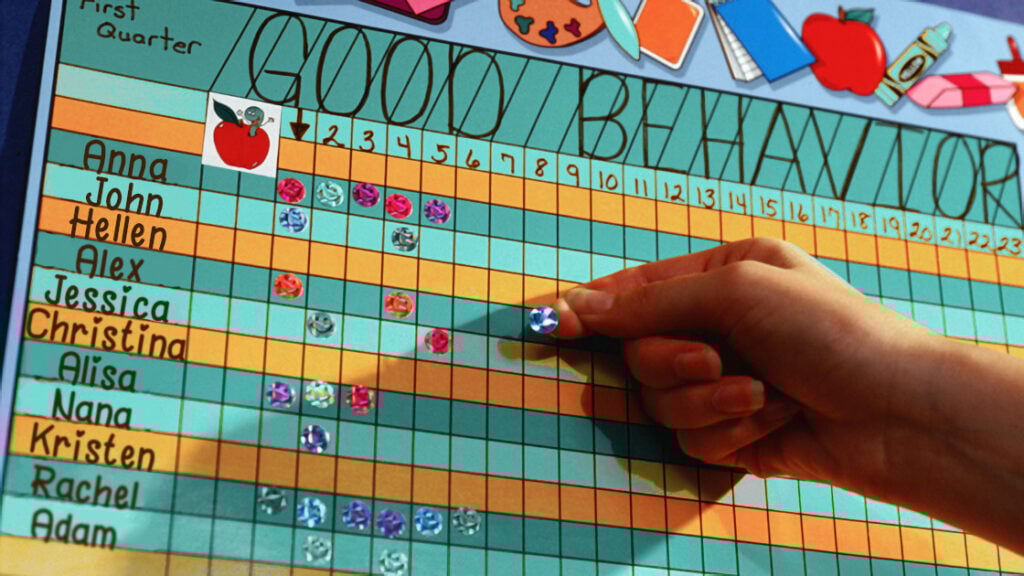
What’s inside this article: Why behavior charts, clip charts, and token economies backfire, and what actually works instead. Practical, connection-based…
 ByNicole Day
What’s inside this article: An overview of the escalation cycle, how the nervous system responds during stress and what that…

 ByNicole Raisin
Sharing Love This Valentine’s Day: All Neurotypes Welcome! As a pediatric OT, my Valentine’s Day preparation is in full swing!…
 ByNicole Raisin
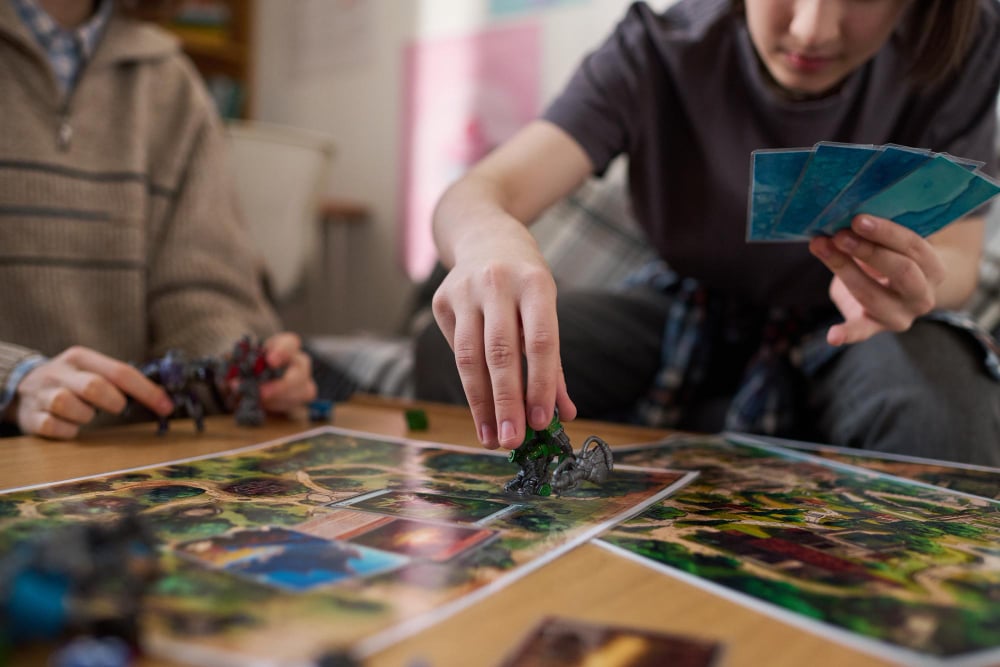
Tabletop role-playing games like Dungeons & Dragons offer far more than entertainment—they’re powerful tools for skill development that can benefit…

 ByKelsie Olds
Toddlers are generally really excellent self-advocates for their own sensory needs. Of course, that’s to the detriment of several other…
 ByKelsie Olds
A common and persistent myth about autism is that autistic individuals lack empathy. This idea influences how society, educators, and…
 ByNicole Day
Supporting a neurodivergent child means not only understanding their sensory needs but also effectively communicating those needs to others. Whether…
 ByKelsie Olds
Language matters, especially when it comes to how we describe identity. You may have heard debates about whether it is…
 ByKelsie Olds
Autism is often described using terms like “high-functioning” or “low-functioning” or classified into levels 1, 2, and 3. While these…
End of content
End of content