
Sensory Preferences Checklist
FREEDiscover what sensory experiences your child enjoys with this free printable Sensory Preferences Checklist.
Showing 1–24 of 44 resultsSorted by popularity
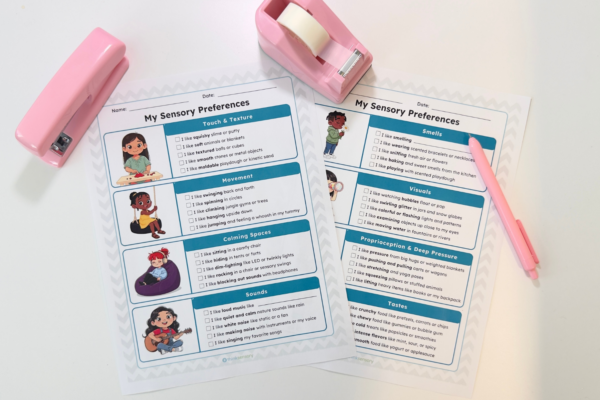
Discover what sensory experiences your child enjoys with this free printable Sensory Preferences Checklist.
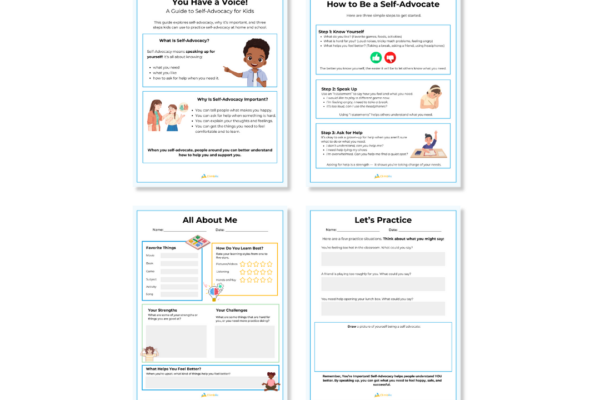
This four-page printable helps kids understand what self-advocacy is, why it matters, and how to practice it at home or school.
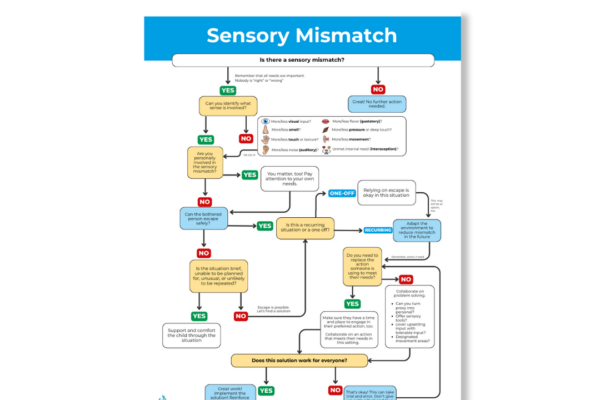
This free printable flowchart helps parents, educators, and therapists collaboratively problem-solve and reduce sensory mismatches by identifying needs, considering escape options, adapting the environment, and problem-solving alternative actions so everybody’s sensory needs can be met.
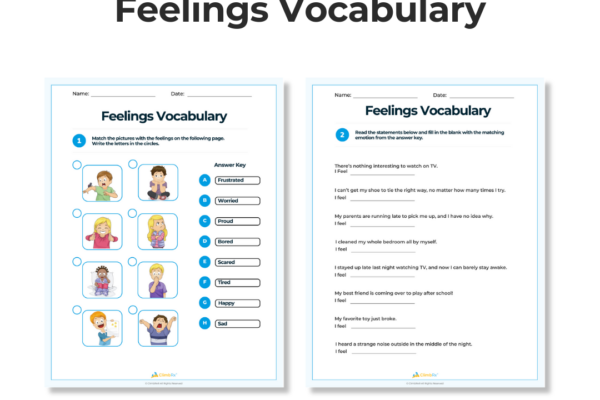
Build emotional literacy with this mid-level feelings vocabulary activity. Designed for kids ready to move beyond basic emotions, this printable helps expand their emotional vocabulary in a fun and accessible way.
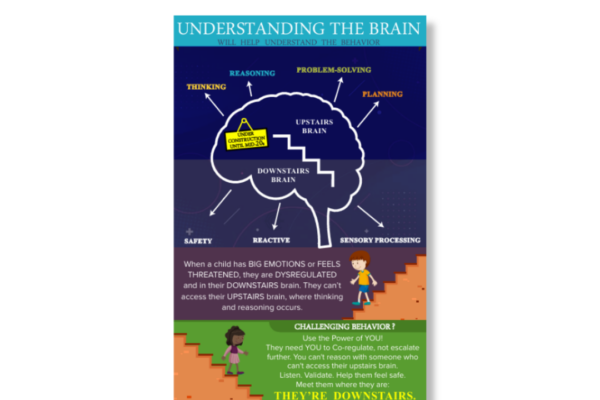
Help parents, educators, and therapists understand how the brain affects behavior with this “Upstairs Brain vs. Downstairs Brain” Infographic! Based on concepts from The Whole-Brain Child by Dr. Dan Siegel and Dr. Tina Payne Bryson, this printable resource explains the difference between the reactive “downstairs brain” and the reasoning “upstairs brain” and offers simple co-regulation strategies to support dysregulated children.
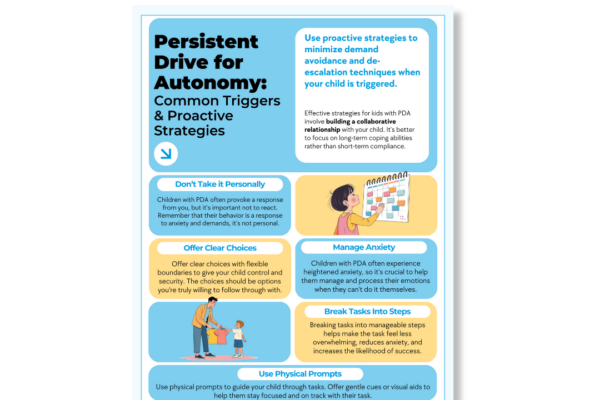
A simple, informative handout introducing the concept of PDA (Persistent Drive for Autonomy) through a neuroaffirming lens. Ideal for parents, educators, and therapists seeking to better understand and support children with a PDA profile.
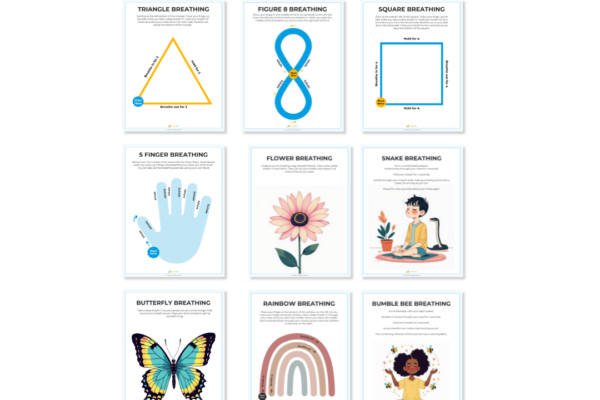
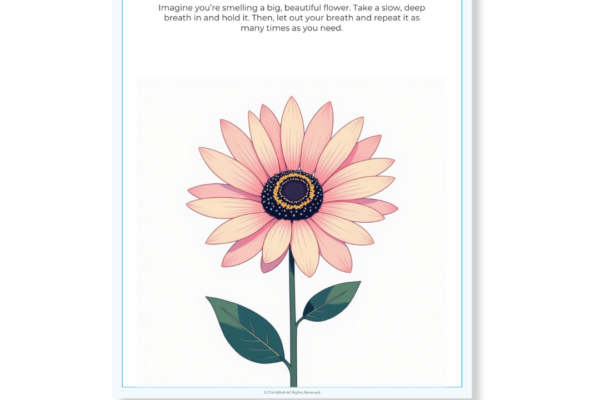
This printable set includes 9 creative and kid-friendly printable deep breathing activities designed to help children regulate their emotions and manage stress.
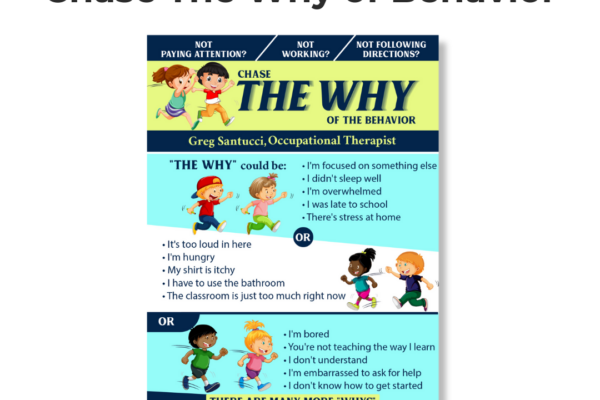
When a child isn’t paying attention, struggling to follow directions, or refusing to work, their behavior is often misunderstood. Instead of reacting to what you see on the surface, chase the WHY behind their actions.
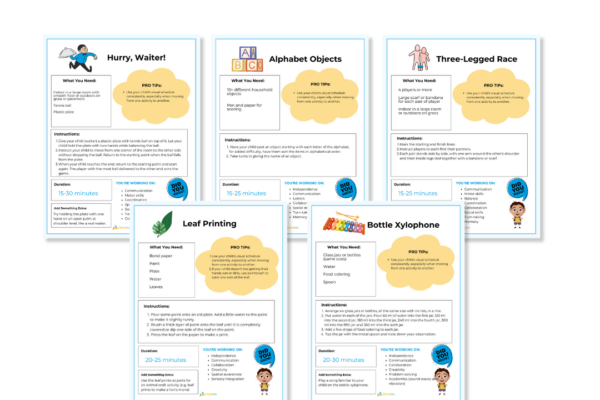
Unlock a world of fun and skill-building with ClimbRx® Activity Maps! Designed for parents and caregivers, these printable activity maps help you create play-based learning moments with your child. Each map includes engaging, hands-on activities that your child will enjoy while unknowingly practicing essential motor skills, social skills, and communication skills.
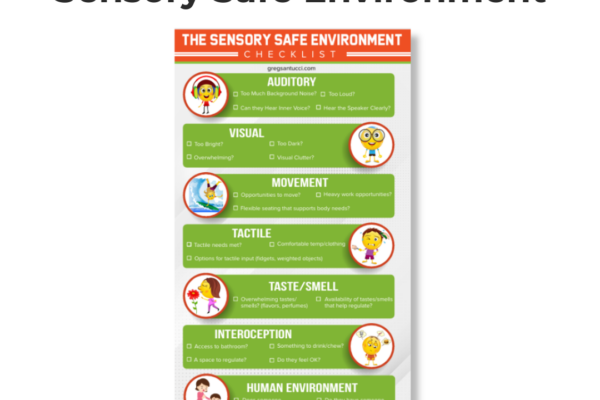
A sensory-friendly environment is essential for helping children feel regulated, comfortable, and ready to participate. This Sensory Safe Environment Checklist makes it easy to assess a space and identify sensory barriers that may be impacting a child’s ability to focus, learn, and engage.
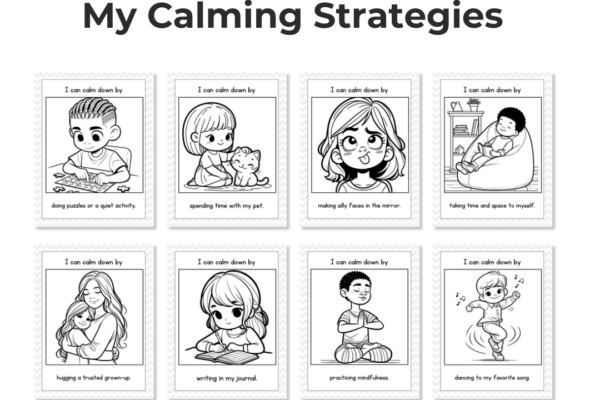
25 printable coloring pages that illustrate various calming strategies that can help children with emotional regulation.
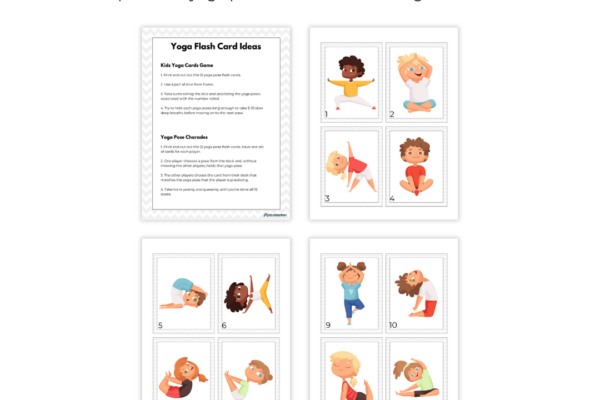
Designed to encourage movement and sensory regulation, this printable includes 12 easy-to-follow yoga poses for kids and two game ideas.
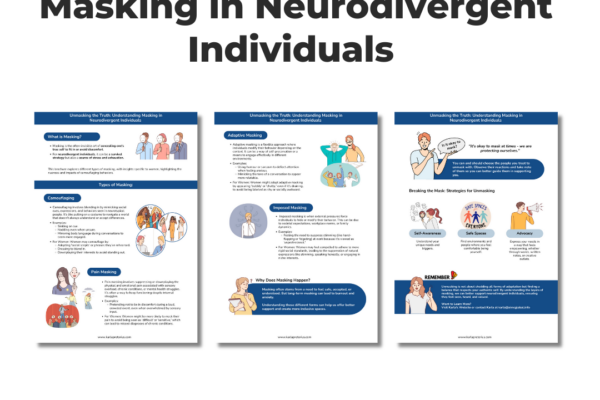
A neuroaffirming handout introducing the concept of masking, with insights into the different ways neurodivergent individuals might hide parts of themselves (the types of masking) and why it often feels like the safest or easiest way for them to cope in everyday situations. Ideal for neurodivergent individuals who want to better understand their own experiences, as well as parents, educators, and therapists seeking to offer more meaningful and supportive care for neurodivergent children, teens, and adults.
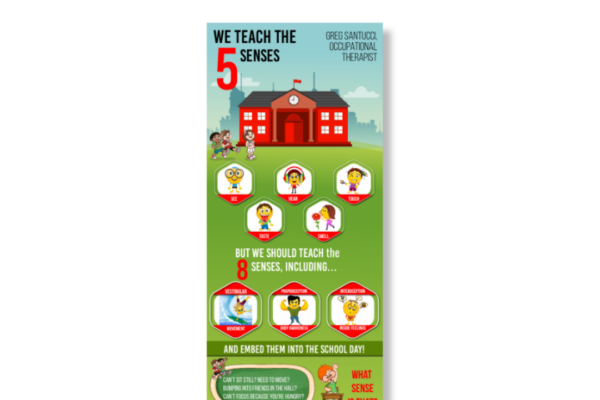
The “8 Senses” Infographic highlights all eight sensory systems—including vestibular, proprioception, and interoception—helping educators, parents, and therapists understand their impact on behavior and learning. This graphic encourages embedding sensory awareness into daily routines to support regulation and focus in kids.
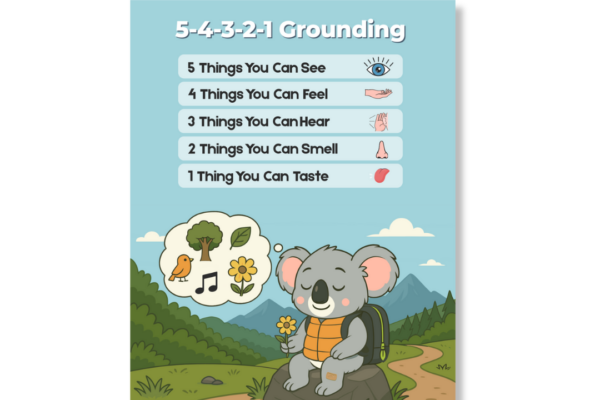
A calming visual guide featuring Crashy the Koala™ to help kids practice 5-4-3-2-1 grounding through their senses. Perfect for home, classroom, or therapy settings.
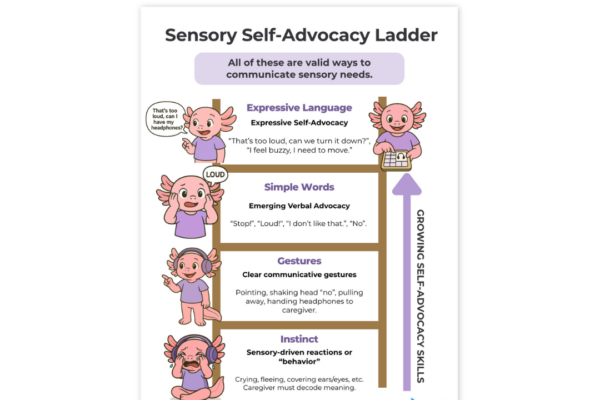
Support kids in communicating their sensory needs with the Sensory Self-Advocacy Ladder—a visual tool that celebrates all forms of self-advocacy, from simple gestures and words to expressive verbal communication.
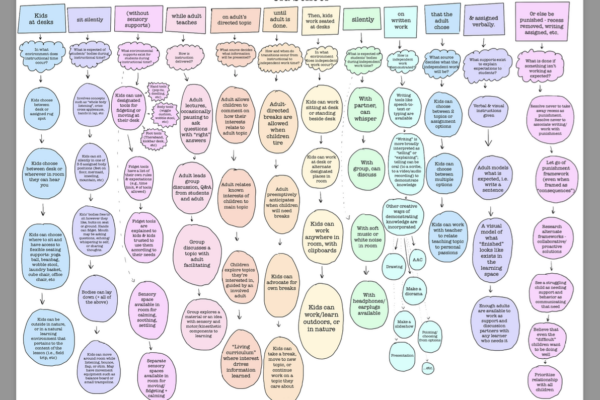
For teachers or educators who are looking to take a baby step toward more freedom, collaboration, or neurodiversity-affirming practice in their classroom. This is a virtual PDF of a poster that you can print.
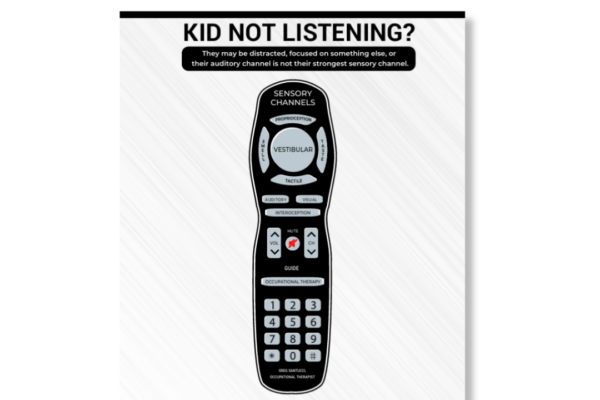
Help kids stay engaged with the “Change the Channel” Infographic! This graphic explains how different sensory channels—like auditory, visual, vestibular, and interoception—affect attention and behavior. Inspired by occupational therapy principles, it offers simple strategies to shift communication when a child isn’t responding. Great for parents, educators, and therapists!

This Sensory Information Sheet is designed for parents to provide to caregivers, teachers, and other support staff to ensure their child’s sensory needs are understood and accommodated. It includes sections for documenting strengths and interests, sensory preferences, sensory challenges, signs of overwhelm, effective strategies, preferred communication methods, and additional notes.
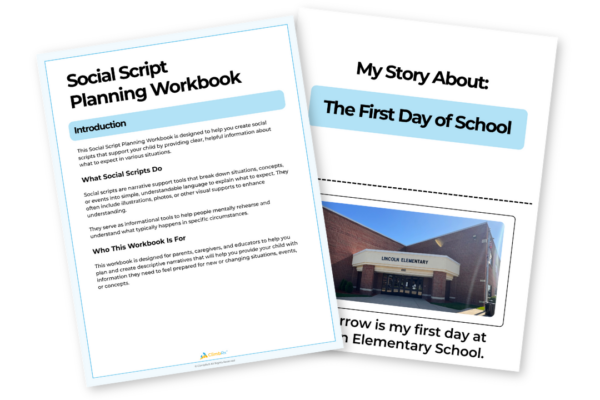
A comprehensive planning workbook that you through creating social scripts step-by-step. This resource helps you plan, write, and design informational social scripts that help kids understand what to expect in new or changing situations. Includes fillable planning pages, review checklists, and a drag-and-drop Canva template to help you create your own social scripts easily.
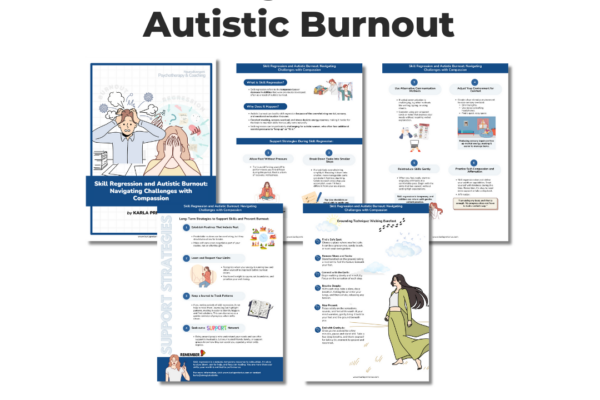
This neuroaffirming printable booklet is designed for neurodivergent individuals, parents, educators, and therapists. It explores why skills may temporarily regress during burnout and offers compassionate strategies to navigate this experience. This resource supports understanding, validation, and practical steps toward recovery, all framed through a strengths-based, neurodivergent-affirming lens.
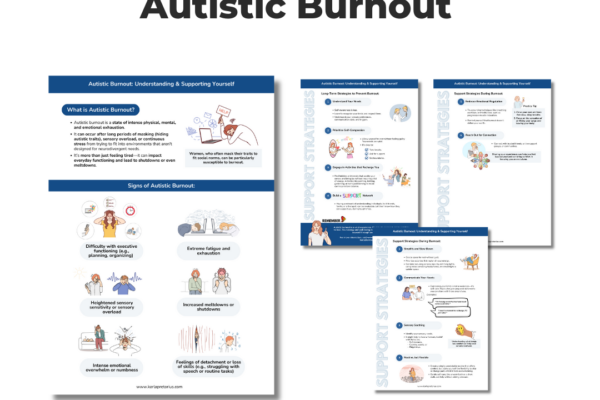
Help neurodivergent individuals understand their experience of burnout and how to support themselves, while equipping parents, educators, and therapists with the knowledge and confidence to provide informed, compassionate care. This printable resource offers practical, easy-to-implement strategies, including tips for sensory regulation, setting gentle routines, and additional tools they can begin using today to support both immediate and long-term well-being.
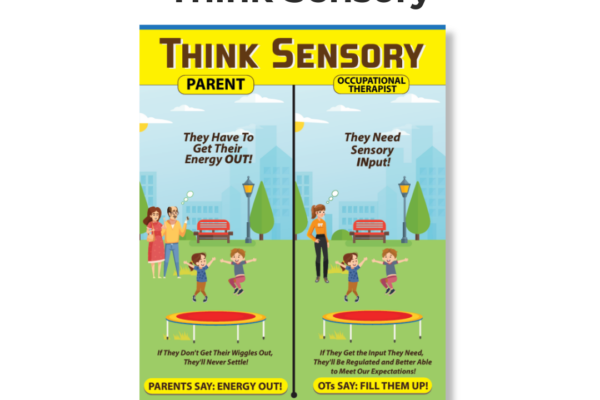
The “Think Sensory” Infographic bridges the gap between what parents and OTs say—when parents talk about kids needing to “get their energy OUT,” and OTs talk about “sensory INput,” they’re really saying the same thing!
This printable highlights the importance of understanding sensory needs and provides a simple mindset shift for supporting kids effectively.
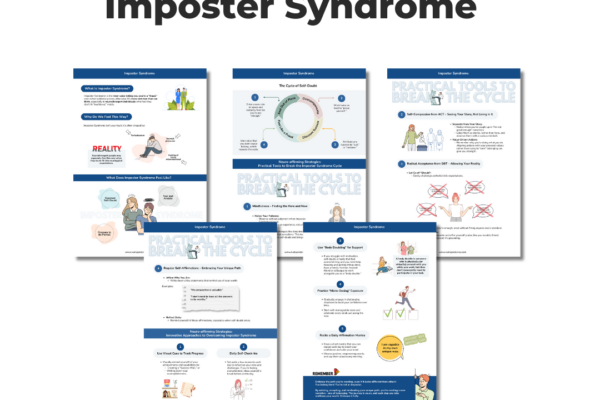
This booklet supports neurodivergent individuals in recognizing and moving past the self-doubt and perfectionism tied to imposter syndrome. Whether you’re navigating these feelings yourself or offering support as a parent, educator, or therapist, it provides gentle advice, practical tips, and simple mindset shifts to help quiet those doubts. It’s a thoughtful resource for anyone ready to step into their strengths and feel confident in their place.
End of content
End of content