
Posture Power Check-In
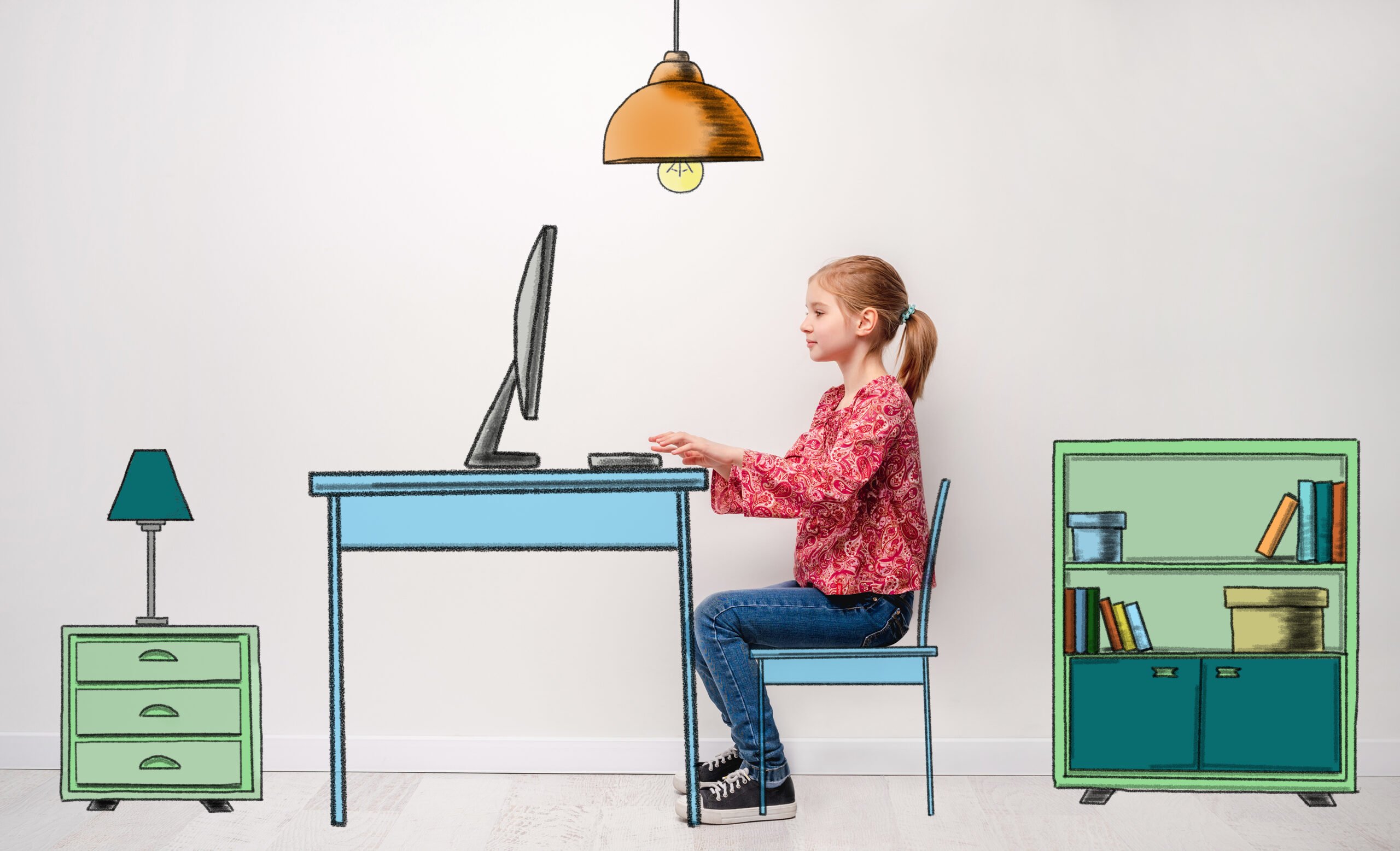
Before we start writing, we need to make sure our body is ready to support us. This activity uses the Handwriting Posture Checklist as a hands-on, visual tool to build awareness and confidence in sitting posture. It helps kids understand why each part of their setup matters—and turns posture into a powerful pre-writing habit.
Materials Needed
- Printed Handwriting Posture Checklist (provided - click here to download)
- Writing tools (pencil, marker, or crayon, paper or workbook)
- Writing station (desk or table)
- Optional: footrest (books, boxes) special seat, pillow or towel, slant board, mirror
Instructions
- Set the Stage: Have the child sit at their usual writing space. Observe their natural posture before any adjustments. Take a photo of their posture and pencil grasp.
- Introduce the Checklist: Give the child their own Posture Checklist and explain that each box is something their body needs to feel steady and strong for writing.
- Check: Go through the checklist together. For each item, talk about why it helps:
- A lower writing surface helps your arms rest without reaching or scrunching and helps you focus and write for longer periods of time.
- Feet on the floor helps your body feel grounded. Dangly feet make it harder to sit still and you will get tired faster.
- Hips and Knees help your back stay straight and your body feel balanced. Not too floppy and not too tight.
- A special seat like a wiggle cushion, a wedge or a pillow allow you to wiggle and concentrate and also can boost your body to a better height if your table cannot be lowered.
- Paper tilting helps your writing hand glide across the page, and your helper hand keeps it from moving.
- A pencil grip can help you hold the pencil in the ‘just-right’ way, and a slant board helps your eyes and hands team up for good posture. It reduces glare on the paper and helps your wrist be in a good position for writing.
- Adjust: Make simple adjustments as needed (e.g., add a footrest or pillow).
- Let the child check off the box once it’s set up correctly.
- Practice Writing in “Posture Power Mode”: Once all boxes are checked, have the child do a short writing, coloring or drawing activity. Keep it light—something fun like drawing their favorite animal or writing their name 3 ways.
- Reflect Together:
- Ask “How did that feel different?”
- Share the before and after photos
- Ask “What part of this setup helped you the most?”