
Continuing Education

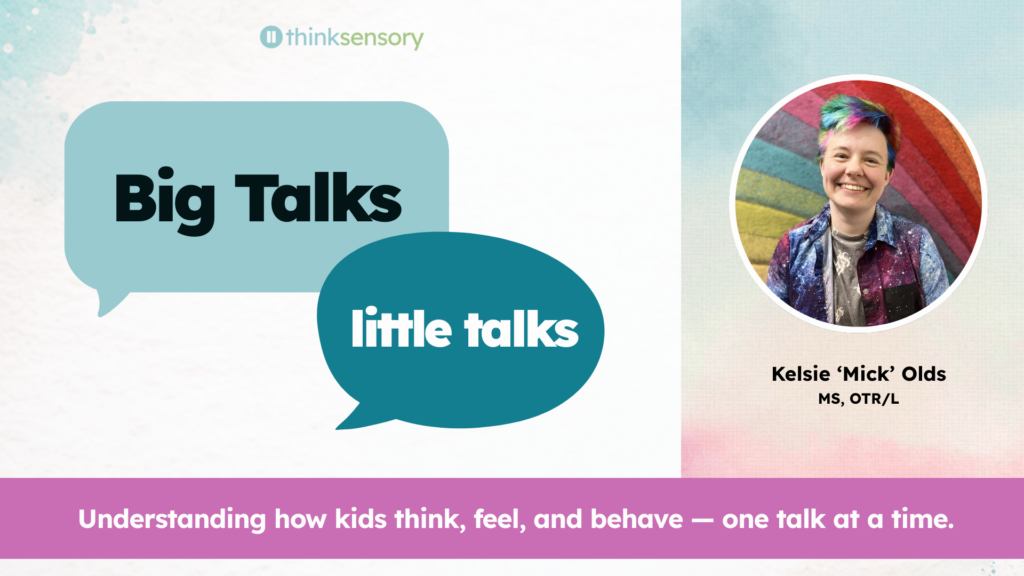
Big Talks, Little Talks
Introductory 1.30 General CEUs

Big Talks, Little Talks

Kelsie Mick Olds, MOT OTR/L Kelsie Mick Olds, MOT OTR/L

An eight-module video course thats helps you understand how kids think, feel, and behave by addressing distinct topics related to neurodiversity and child development. Every module includes a “Big Talk” for adults and a “Little Talk” for children.

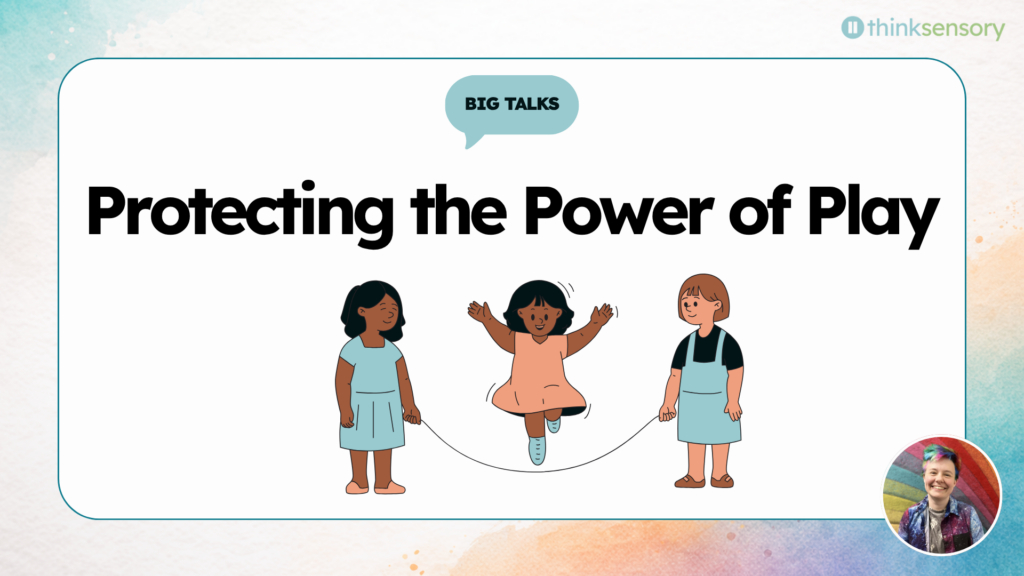
Protecting the Power of Play
Introductory 0.15 General CEUs

Protecting the Power of Play

Kelsie Mick Olds, MOT OTR/L Kelsie Mick Olds, MOT OTR/L

Play isn’t what kids do when they’re not learning. It’s how they learn, how their bodies build the strength they need for school, and how their brains develop the skills that reading and writing depend on. Understand the research showing play outperforms direct instruction for young children, learn the foundational skills that must be in place before academic learning can succeed, and get practical strategies for bringing real movement and play back into home and classroom settings.

100 Ways to Do Hard Things: How to Alter, Adapt, & Accommodate Tricky Tasks
Introductory 0.15 General CEUs

100 Ways to Do Hard Things: How to Alter, Adapt, & Accommodate Tricky Tasks

Kelsie Mick Olds, MOT OTR/L Kelsie Mick Olds, MOT OTR/L

When a self-care task isn’t working for a child or family, it can feel like the only options are push harder or give up. But there is a whole middle ground of adapting, altering, and accommodating that gets treated like it’s a lesser solution when it isn’t. Learn a practical framework of categories you can change (position, tool, timing, people, sensory components, and more), work through the fear-based thinking that gets in the way of trying something different, and walk away with concrete ideas you can use today.

Kids Don’t Want Your Power, They Want Their Own
Introductory 0.175 General CEUs

Kids Don’t Want Your Power, They Want Their Own

Kelsie Mick Olds, MOT OTR/L Kelsie Mick Olds, MOT OTR/L

Kids’ pushback, negotiation, and need for control often gets misread as defiance, but most of the time children aren’t looking for power over adults. They’re looking for power over themselves. Learn the difference between self-autonomy and power over others, understand how chronic disempowerment shapes behavior over time, and get practical strategies for sharing power meaningfully at home, school, and in therapy.

Moving & Soothing: The Power of Proprioceptive & Vestibular Input
Introductory 0.15 General CEUs

Moving & Soothing: The Power of Proprioceptive & Vestibular Input

Kelsie Mick Olds, MOT OTR/L Kelsie Mick Olds, MOT OTR/L

Behavior that looks wild, chaotic, or dysregulated often comes back to what the body is looking for: movement, pressure, impact, or some combination. Get a clear understanding of the vestibular and proprioceptive senses, learn why different types of input can soothe or alert, and walk away with practical strategies for using movement and pressure as regulation tools at home, in the classroom, and in therapy.

Living in a Neurodiverse World
Introductory 0.15 General CEUs

Living in a Neurodiverse World

Kelsie Mick Olds, MOT OTR/L Kelsie Mick Olds, MOT OTR/L

Neurodiversity terminology gets thrown around constantly, but the history behind it, the reasons diagnosis rates keep climbing, and what it all actually means can be hard to pin down. Get clear on the terminology, understand the real factors shaping who gets diagnosed and who doesn’t, and build a stronger foundation for showing up in neuroaffirming ways, rooted in universal design and respect for self-identification.

Making Sense of Behavior: The Basics of Sensory Processing
Introductory 0.15 General CEUs

Making Sense of Behavior: The Basics of Sensory Processing

Kelsie Mick Olds, MOT OTR/L Kelsie Mick Olds, MOT OTR/L

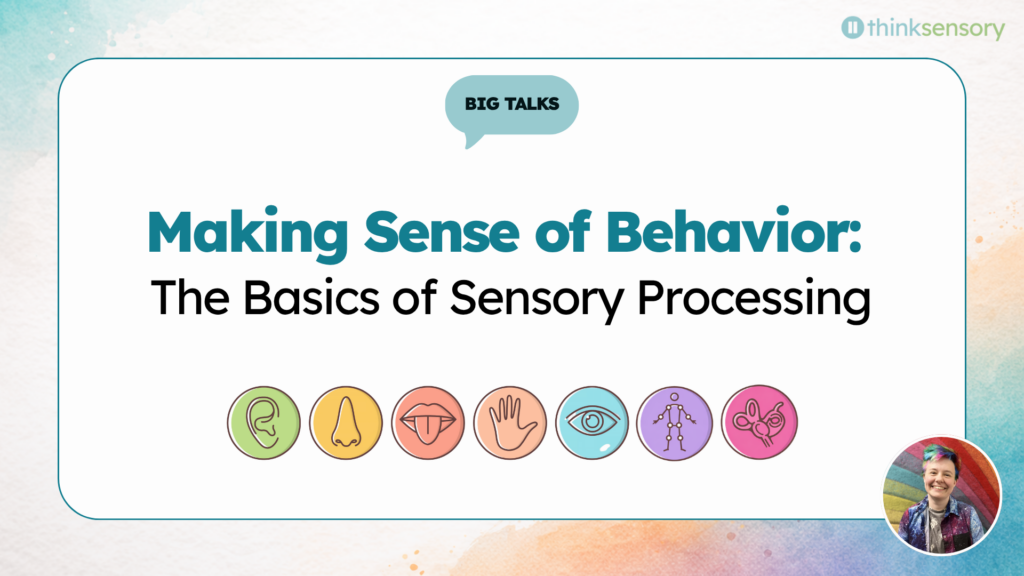
Children’s behavior often reflects sensory needs that haven’t been met yet. This module covers the eight sensory systems, the four sensory processing profiles, and the difference between threshold and tolerance — then gives caregivers and practitioners a practical framework for identifying the sensory causes behind what they’re seeing.

Feeling All the Feelings: Co-, Dys-, and Self-Regulation
Introductory 0.175 General CEUs

Feeling All the Feelings: Co-, Dys-, and Self-Regulation

Kelsie Mick Olds, MOT OTR/L Kelsie Mick Olds, MOT OTR/L

Children can dysregulate at both ends of the energy spectrum, and knowing the difference shapes how you respond. This course teaches the energy-place-task framework of regulation, explains how co-regulation supports the development of self-regulation over time, and gives caregivers and practitioners practical strategies to use in real moments.

Sensory Processing & Sensory Mismatch
Introductory 0.125 General CEUs

Sensory Processing & Sensory Mismatch

Kelsie Mick Olds, MOT OTR/L Kelsie Mick Olds, MOT OTR/L

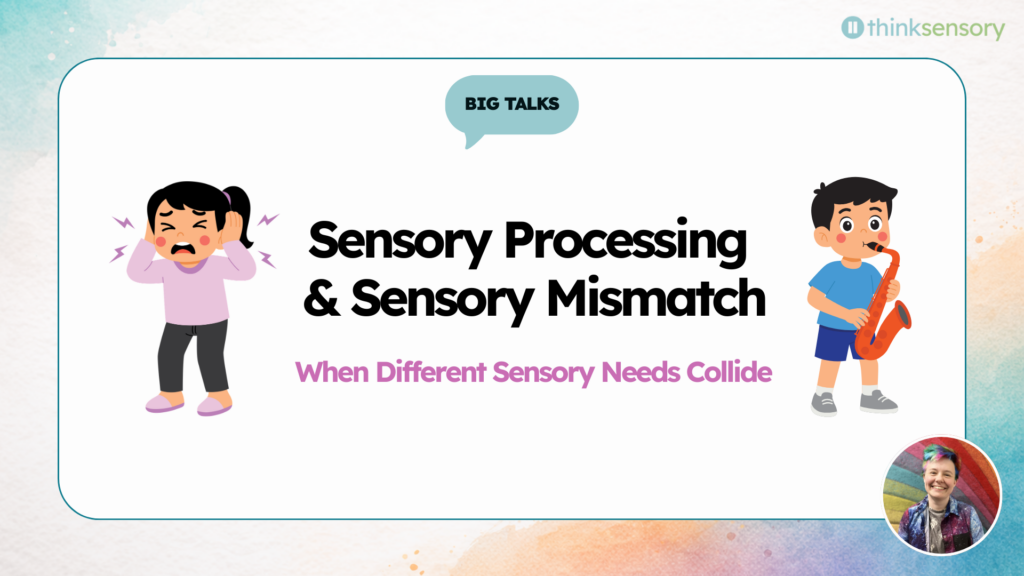
Every person processes sensory information differently, and when two people sharing the same space need opposite things from their environment, it creates one of the most common challenges parents, educators, and therapists face. This course teaches you about sensory mismatch and gives you practical tools and strategies for recognizing and resolving sensory mismatches.